
Admissions
From first meeting to first lecture
Applications can be processed at any time of year for most courses, but popular programmes fill early. This is how a typical application moves with us.
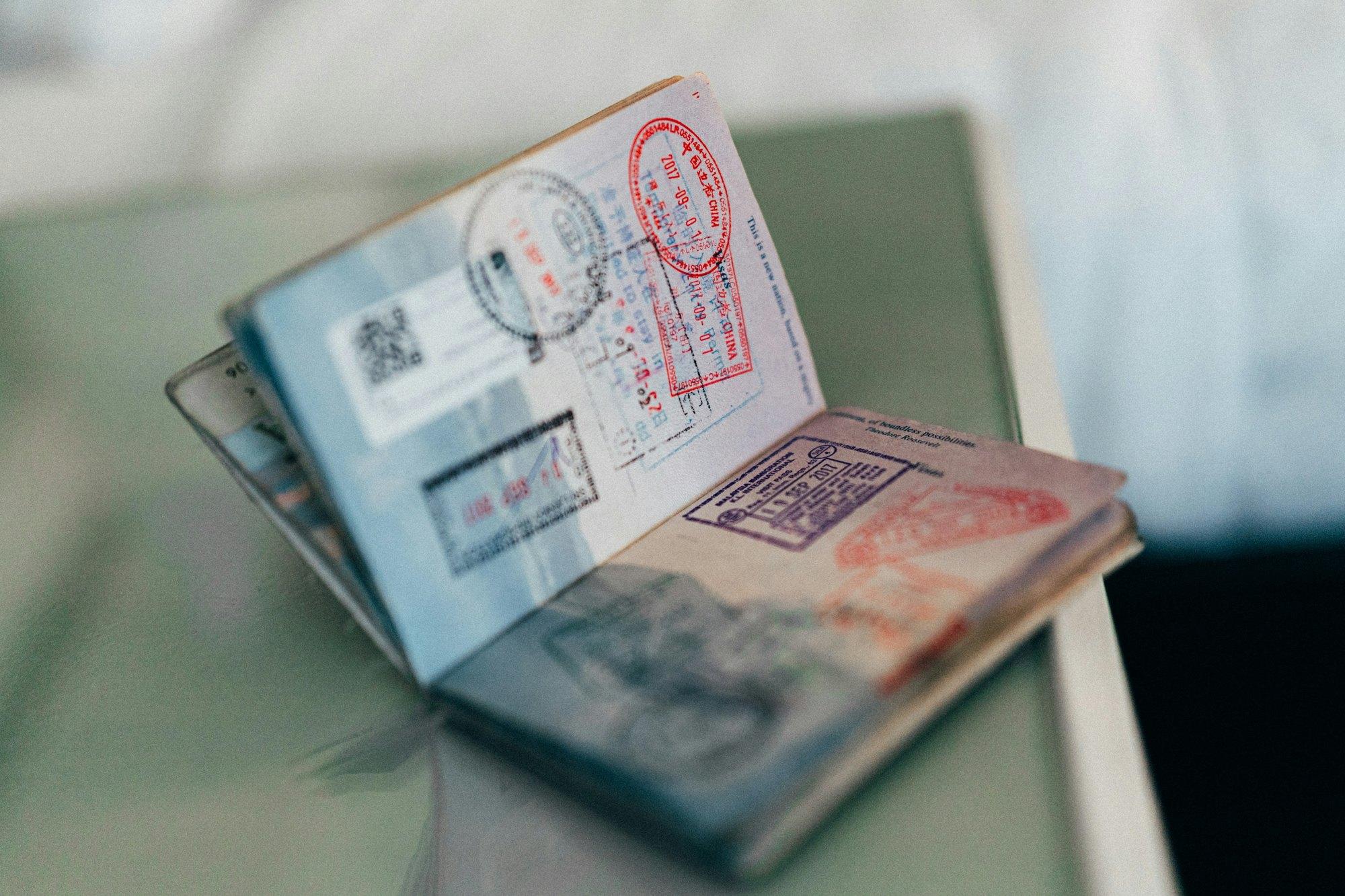
How it works
The six steps
- 01
Free assessment
Bring or send your transcripts, passport and any test scores. We review your profile and outline realistic options.
- Passport and academic documents
- Test results, if you have them
- Your budget and preferred countries
- 02
Shortlist
Together we choose the country, course and universities that fit your grades, budget and goals.
- Countries and universities compared
- Entry requirements and deadlines checked
- Costs worked out, including deposits
- 03
Applications
We prepare and submit your applications, then follow up with each university until it decides.
- Statement of purpose and CV
- References and attestations
- Submission and follow-up
- 04
Offer and acceptance
We go through offer conditions, deposits and scholarships with you before you accept a place.
- Offer conditions explained
- Deposit and scholarship advice
- Acceptance and enrolment documents
- 05
Visa file
Checklist, financial evidence, forms and a mock interview, prepared to the embassy’s current requirements.
- Document checklist for your country
- Funds and sponsor evidence
- Mock interview
- 06
Departure
Accommodation, travel and a pre-departure briefing, so you arrive ready.
- Accommodation and travel
- Pre-departure briefing
- Arrival and enrolment guidance
Timing
When to start
| United Kingdom | September, January; some courses in May |
|---|---|
| Canada | September, January, May |
| United States | August–September, January |
| Australia | February, July; some courses in November |
| Ireland | September; some courses in January–February |
| Germany | Mainly September–October; some courses in March–April |
| Italy, Spain, Finland | Mainly August–October, with applications opening months earlier |
| Malta | Mainly October; some courses in February |
| Malaysia | Several a year; public universities mainly September |
| Singapore | Mainly August; private institutions vary |
| United Arab Emirates | Mainly August–September; many also in January–February |
| China, Kazakhstan | Mainly September; some courses in spring |
Intakes vary by university and programme. Ask us for current deadlines.
Documents
What you will usually need
- Valid passport
- Academic transcripts and certificates: Matric or O Level, Intermediate or A Level, bachelor’s and above
- Attestations where required, such as HEC for degrees and IBCC for school qualifications
- English test results, or a medium-of-instruction letter where accepted
- CV
- Statement of purpose
- Two reference letters, academic or professional
- Experience letters, if you have worked
- Financial documents: bank statements and sponsor letters
- Family registration certificate and birth certificate, for some visa applications
- Passport-size photographs
Questions
Frequently asked questions
Is the first consultation free?
Yes. Your first assessment is free, whether you visit our office or send your documents by email or WhatsApp.
Do you charge a consultancy fee?
Yes. After the free assessment we explain our consultancy fee for your destination and the services you need, before you decide to go ahead.
Can I study abroad without IELTS?
Sometimes. Some universities accept other tests such as PTE, TOEFL or Duolingo, and some accept a medium-of-instruction letter. It depends on the country, the university and your academic record.
Can I apply without visiting your office?
Yes. Email or WhatsApp us your documents for an online assessment. Many students visit later to finalise their applications, but you don’t have to.
Can my family come with me?
It depends on the country and your level of study. Some countries allow family members to join students and others restrict it, for example for most taught master’s courses in the UK. We will check the current rules for your programme.
Do you guarantee admission or a visa?
No honest adviser can. Universities decide admissions and governments decide visas. What we do is assess your profile carefully before taking your case, and make sure your application is complete and honest.
When should I start?
Ideally six to twelve months before your intake. If you are short on time, contact us anyway: some universities have later deadlines or intakes in January and May.